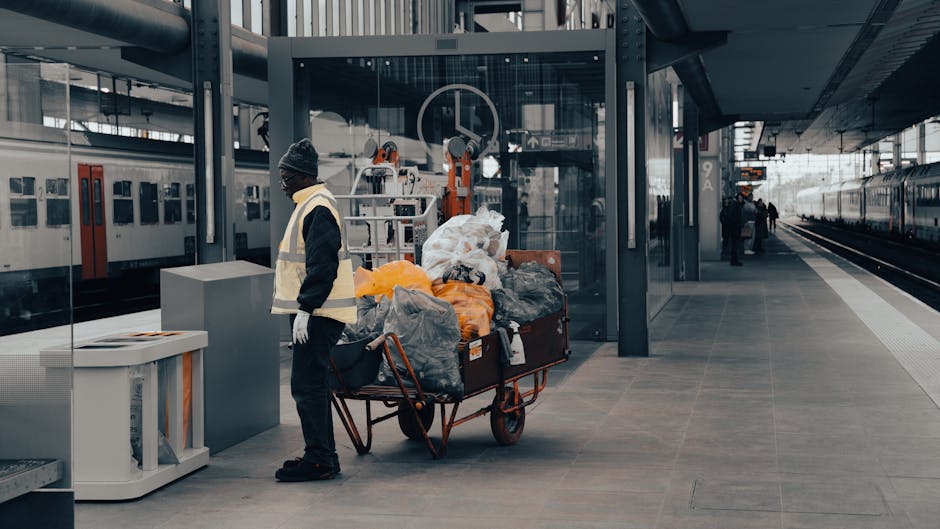
Rubbish clearance near Slough station SL1 booking tips
If you are trying to arrange rubbish clearance near Slough station SL1, a good booking process can save you time, money, and a fair bit of stress. That matters more than people think. Around a busy station area, access can be awkward, parking can be tight, and collections often need a little more planning than a straightforward suburban pickup. The good news is that a smooth booking is very doable once you know what details to prepare and what questions to ask.
This guide brings together practical booking tips, local considerations, and the small details that usually decide whether a clearance runs neatly or turns into a last-minute scramble. You will find a step-by-step approach, comparison points, common mistakes, and a realistic checklist you can actually use. No fluff. Just the stuff that helps.
Table of Contents
- Why rubbish clearance near Slough station SL1 booking tips matter
- How the booking process works
- Key benefits and practical advantages
- Who this is for and when it makes sense
- Step-by-step guidance
- Expert tips for better results
- Common mistakes to avoid
- Tools, resources and recommendations
- Law, compliance, standards, and best practice
- Options, methods, and comparison table
- Case study or real-world example
- Practical checklist
- Conclusion
- Frequently asked questions
Why Rubbish clearance near Slough station SL1 booking tips Matters
Booking rubbish clearance sounds simple until you are standing outside a flat, a shop, an office unit, or a property near the station with bags, broken furniture, or leftover renovation waste and no clear plan for collection. Then it becomes obvious why good booking tips matter. The difference between a calm, tidy clearance and a stressful one usually comes down to timing, access, and honest information.
Near Slough station, there is also the practical reality of traffic, loading space, and pedestrian flow. It is not always possible to pull up exactly where you want. So if the booking is vague, the crew may arrive without the right vehicle size, the right time slot, or a full understanding of how they will reach the waste. That can lead to delays. Nobody wants that, especially if you are on a work schedule or trying to hand a property back by the end of the day.
Good booking tips also protect your budget. If you describe the load properly, share photos, and mention stairs, lifts, or restricted access, you are more likely to get a realistic quote from the start. In our experience, a detailed booking saves more money than a rushed one almost every time. Sounds obvious, but it gets missed a lot.
Expert summary: The best rubbish clearance bookings are clear, specific, and local to the conditions on the ground. If the provider knows what needs moving, how much there is, and how they can access it, the whole job gets easier.
How Rubbish clearance near Slough station SL1 booking tips Works
The booking process usually starts with an enquiry. You explain what needs clearing, where it is, and when you want it collected. A decent provider will then ask follow-up questions, sometimes request photos, and give you a quote or estimate based on volume, labour, and access.
For work near Slough station SL1, a proper booking should account for a few extra variables:
- Access to the property: Is there a lift, stairs only, gated entry, or a narrow hallway?
- Parking and loading: Can a vehicle stop nearby, or will the team need to walk the waste out?
- Waste type: Is it household rubbish, office clear-out material, furniture, garden waste, or mixed junk?
- Urgency: Do you need same-day, next-day, or a planned slot?
- Volume: Is it a few bags or a full room, garage, or estate-clearance style load?
Some people assume that a booking is just picking a day. It is more like setting the scene for the collection. If you get the scene right, the rest tends to run smoothly. If you do not, well, the team turns up guessing, and guessing is never ideal.
One useful habit is to prepare a simple description before you call or submit an enquiry: what the waste is, where it sits, whether anything is heavy or awkward, and whether there are any access issues. A few phone photos from different angles help more than people realise.
Key Benefits and Practical Advantages
There are several clear reasons to book rubbish clearance properly rather than hoping it will all sort itself out on the day.
1. Faster collections
Clear details lead to quicker arrivals, quicker loading, and fewer delays. That matters near the station because time windows can be tight, and access can change quickly during busy periods.
2. More accurate pricing
When the provider understands the waste volume and access conditions, the quote is more likely to reflect reality. That is particularly useful if you are comparing options and do not want surprise add-ons later.
3. Less disruption
For flats, offices, landlords, letting agents, and local businesses, a well-booked clearance keeps disruption to a minimum. You can plan around staff, tenants, cleaners, or check-out schedules. Nice and tidy, if all goes to plan.
4. Better handling of mixed waste
Many loads are not neat and simple. You may have furniture, bagged rubbish, small electricals, cardboard, and a few odd bits from a clear-out. Good booking lets the team come prepared for the actual mix.
5. Better recycling outcomes
If the waste is described properly, it is easier for the team to separate items for recycling or reuse where appropriate. You can support that by checking a provider's approach to recycling and sustainability.
| Booking choice | What usually happens | Best for |
|---|---|---|
| Vague enquiry | Quote may be rough, access problems are more likely, and timing can slip | Very small, simple jobs only |
| Photo-based booking | More accurate estimate and better vehicle planning | Most domestic and office clear-outs |
| Detailed access briefing | Smoother arrival, less loading confusion, fewer delays | Flats, station-adjacent properties, and awkward access jobs |
Who This Is For and When It Makes Sense
Rubbish clearance near Slough station SL1 is useful for a lot of people, not just those dealing with a full house clearance. If your waste is building up and you need it gone without turning your week upside down, this kind of service can make practical sense very quickly.
It often suits:
- Tenants moving out and needing a fast, tidy end-of-tenancy clear-out
- Landlords and letting agents preparing a property between occupiers
- Homeowners dealing with clutter, old furniture, or garden waste
- Offices and small businesses removing broken desks, packaging, or stock waste
- Tradespeople with leftover non-hazardous debris after small works
- Families who have simply reached the point where the garage or spare room has defeated them. Happens. More than people admit.
It makes sense when you need more than a bin collection but less than a long, fully managed project. If you have a few bulky items, mixed waste, or a time-sensitive job near the station, booking a clearance is often the most efficient route.
It is also a sensible choice if you are trying to avoid repeated trips to a disposal site, especially when parking, lifting, or loading would be awkward. Let's face it, most of us would rather not spend a Saturday doing that.
Step-by-Step Guidance
The best bookings are built from a few small, sensible steps. Nothing dramatic. Just a bit of preparation.
Step 1: Identify exactly what needs clearing
Walk through the space and separate the waste into broad groups: general rubbish, furniture, appliances, cardboard, bags, or renovation remnants. You do not need to overthink it. A rough breakdown is enough to get started.
Step 2: Estimate the volume honestly
Try to think in practical terms. Is it a boot load, a small van load, half a room, or several rooms? Photos help more than guesses. If in doubt, include one wider shot and one close-up shot of the piles.
Step 3: Check access before you book
Measure stair width if the route is tight, think about lift access, and note any entrance codes or concierge rules. If the property is near the station, it may also be useful to think about where a vehicle can wait without causing a problem.
Step 4: Ask for a clear quote structure
A useful quote should make sense to you. It should be clear whether it is based on volume, labour, access difficulty, or a combination of these. If the quote feels too vague, ask for clarification before you confirm anything.
You can review the provider's general approach to pricing and quotes before booking. That often helps you understand what should be included.
Step 5: Confirm timing and arrival expectations
Near Slough station, traffic or loading space can shift a schedule by a little bit. Ask whether the slot is fixed, estimated, or flexible. If you need clearance done before a handover, be explicit about the deadline.
Step 6: Mention any special items
If there are heavy wardrobes, large mattresses, broken glass, or awkward items, say so early. Some waste streams need specific handling, and even when something is allowed, it may need more labour than a standard bag-and-go job.
Step 7: Prepare the site before collection day
Move smaller items into one area if you can, keep walkways open, and make sure the crew can reach the load quickly. A ten-minute tidy-up before the team arrives can save a surprising amount of time.
Step 8: Keep contact details handy
Have your phone nearby on the day, especially if access instructions are a bit fiddly. One missed call near arrival time can slow things down. Simple, but true.
Expert Tips for Better Results
These are the small things that often separate a smooth clearance from an annoying one.
- Send photos in daylight if possible. Natural light shows volume and item type more clearly than a dim hallway shot at 7pm.
- Be honest about stairs and distance. If the waste has to be carried far, say it. That is not a problem; it just needs planning.
- Group items by room. It helps the crew work faster and helps you spot if anything is missing.
- Ask what happens to reusable items. A responsible provider should be able to explain how they sort and process loads.
- Check payment methods in advance. This avoids awkwardness on collection day, especially if you are managing the booking for someone else.
- Book a little earlier than you think. If you know a deadline is coming, do not wait until the last hour. That is when small issues become big ones.
If you want to understand the company background before you book, their about us page is a useful place to start. For questions or a practical next step, the contact us page keeps things simple.
A small but useful tip: if your job involves a flat near the station, let the provider know whether there is a concierge, security desk, or resident-only access rule. That tiny detail can save a lot of waiting around. Really, it can.
Common Mistakes to Avoid
Most clearance problems are avoidable. The tricky bit is that the mistake often seems minor at the booking stage and only feels serious once the team is already on site.
Being too vague about the amount of waste
One black bag and one mattress is very different from six bags, a sofa, and a broken desk. Vague descriptions lead to poor estimates and stressful adjustments.
Forgetting access details
Station-area jobs often have awkward access. If the crew cannot stop nearby or has to navigate steps and narrow corridors, they need to know beforehand.
Leaving the booking until the last minute
It is tempting to leave it until the day before. Then the deadline looms, the bags are still there, and everything feels a bit louder somehow. Booking early gives you breathing room.
Assuming every item is standard waste
Some objects are fine to clear, but others may need separate handling. If you are unsure, ask. It is much better to clarify than to discover an issue on collection day.
Not checking terms and payment details
Before confirming, look at terms and conditions and payment and security. That keeps expectations clear and helps prevent misunderstandings later.
Ignoring sustainability questions
If you care where the waste goes, ask. Responsible disposal should not be a mystery box. You deserve a straight answer.
Tools, Resources and Recommendations
You do not need fancy software to book rubbish clearance well. A few simple tools and documents are usually enough.
- Phone camera: Use it to capture the waste from multiple angles.
- Short note on your phone: Write down access details, item counts, and deadlines.
- Rough floor plan or doorway measurements: Handy if the load includes large furniture.
- Email or message thread: Good for keeping the quote, timing, and special instructions in one place.
- Provider information pages: Check insurance and safety and health and safety policy if you want reassurance on working practices.
For many customers, the most useful "resource" is simply a clear checklist before they book. A calm five-minute review can prevent a lot of back-and-forth later. It sounds basic because it is basic, but basic is often what works.
If you need to understand how complaints are handled, or you want another trust signal before booking, it is sensible to review the complaints procedure. And if you care about wider business values, the modern slavery statement can be a useful indicator of governance and responsibility.
Law, Compliance, Standards, and Best Practice
Rubbish clearance is not just about moving items from one place to another. Responsible waste handling in the UK should follow proper disposal practices, and anyone arranging clearance should think carefully about how waste is sorted, transported, and handed over. You do not need to become a waste expert, but a little awareness goes a long way.
A few sensible standards apply in everyday practice:
- Use a provider that handles waste responsibly. Waste should be transferred and processed through appropriate channels.
- Be clear about hazardous or unusual items. Some materials need special handling and may not be suitable for a standard general clearance.
- Keep records where needed. For business and landlord jobs, it is wise to keep booking confirmations, invoices, and item notes.
- Do not place unsafe or prohibited items into a mixed load without asking. That can create problems for the collection team and for you.
Best practice also means transparency. A trustworthy provider should be able to explain what is included, what might cost extra, and how they manage access, safety, and disposal. If any of that feels slippery, pause and ask questions. Better a short delay than a messy surprise.
Accessibility matters too, especially for customers with mobility needs or buildings with step-free access challenges. If you need information about site accessibility or customer communication support, the website's accessibility statement is worth a look.
Options, Methods, and Comparison Table
There are a few practical ways to deal with rubbish near Slough station SL1. The right one depends on the volume, timing, and the amount of effort you want to put in yourself.
| Method | Best for | Pros | Trade-offs |
|---|---|---|---|
| Booked clearance collection | Mixed waste, bulky items, time-sensitive jobs | Fast, convenient, less manual labour | Needs good booking detail and clear access information |
| Self-loading and transport | Small, manageable loads | Potentially lower direct cost if you already have transport | Time, lifting, parking, and disposal logistics fall on you |
| Gradual bin disposal | Very small volumes over time | Simple for minor household waste | Slow, not suitable for bulky or urgent clearances |
For most people near the station, the booked clearance option is the most balanced. It keeps disruption low and avoids the hassle of multiple trips. If your waste is light and small in volume, self-loading can work. But once furniture, awkward access, or time pressure enters the picture, a professional collection is usually the calmer choice.
Case Study or Real-World Example
Here is a realistic example. A small rented flat near Slough station needed clearing after tenants moved out. The job was not huge, but it was messy: one bed base, a mattress, several bin bags, a damaged office chair, and mixed cardboard. The landlord wanted it done before cleaners arrived the next morning.
What made the booking work well was simple. The customer sent photos, mentioned that the flat was on an upper floor, confirmed lift access, and flagged the tight time window. The provider arrived prepared, loaded the items efficiently, and left the route clear for the cleaners. Nothing heroic, just good preparation.
If the access details had been missed, the crew might have arrived expecting a quick ground-floor load and found themselves dealing with stairs, parking uncertainty, and a fixed deadline. That is the difference booking tips make. Not glamorous. Very practical.
Another common real-world scenario is a small office near the station clearing old desks, monitors, and packaging after a refit. In that case, the useful detail is not just volume. It is whether lifts are available, whether reception is open for access, and whether the team needs to work around staff hours. A little planning keeps the whole building calmer.
Practical Checklist
Use this before you confirm your booking. It is short on purpose.
- List the main items that need removing
- Take clear photos of the waste
- Estimate the volume as accurately as you can
- Note stairs, lifts, gates, or narrow access points
- Check whether parking or stopping space is limited
- Confirm your preferred collection day and deadline
- Ask what types of waste are accepted
- Review pricing structure and possible extras
- Check payment arrangements before the job
- Ask about recycling and disposal approach
- Keep your phone available on the collection day
- Make sure pathways are clear before the team arrives
Quick reminder: a cleaner, clearer booking almost always leads to a smoother clearance. That is the whole game, really.
Get a free quote today and see how much you can save.
Conclusion
Booking rubbish clearance near Slough station SL1 does not need to be complicated. The main thing is to give the provider a clear picture of what is there, how much of it there is, and how they will get to it. Once those basics are handled, the rest becomes much easier to plan.
If you take one thing away from this guide, let it be this: good booking is about clarity. Clear photos, clear access details, clear timing, clear expectations. That combination is what keeps collections moving and helps you avoid the usual headaches. Simple enough, and honestly, a lot more effective than trying to wing it.
For a smoother experience, it also helps to choose a provider whose policies, pricing, safety, and sustainability approach are easy to understand. If you want to learn more about the company behind the service, the homepage is a sensible place to begin, and the supporting policy pages can give you extra confidence before you book.
And if you are at that stage where the clutter is getting on your nerves, take the next step today. A tidy space has a way of making the whole day feel lighter. Funny how that works.
Frequently Asked Questions
How do I book rubbish clearance near Slough station SL1?
Start by describing the waste, sending photos if possible, and confirming access details such as stairs, lifts, and parking. A clear enquiry usually leads to a clearer quote and a smoother collection.
What details should I give for an accurate quote?
Share the type of waste, approximate volume, number of bulky items, and any access issues. Mention whether the job is urgent and if there are special items that need extra handling.
Is same-day rubbish clearance possible near Slough station?
Sometimes, yes. It depends on availability, the size of the job, and how quickly you can provide the information needed for a booking. Same-day jobs usually work best when access is straightforward.
How can I avoid surprise charges?
Be upfront about volume, access, and item type. Also check the quote structure, payment terms, and any conditions that could affect the final price. Good communication is the best defence here.
Do I need to sort my rubbish before the collection?
It helps if you can separate obvious categories such as furniture, bagged waste, and cardboard. You do not need to make it perfect, but a rough sort can make loading faster and easier.
What if the property has awkward access?
Tell the provider before booking. Narrow stairs, no lift, gated entry, or long carrying distances may affect timing and pricing, so it is better to flag these early rather than on the day.
Can I book clearance for a flat near the station?
Yes, and it is very common. Flats often need a little extra planning because of lifts, shared entrances, and parking restrictions, but a good booking process handles that neatly.
What should I ask about recycling?
Ask how the waste will be sorted and whether reusable or recyclable items are separated where appropriate. A responsible provider should be able to explain their sustainability approach in plain language.
Are there items that may need special handling?
Yes. Some items can need separate attention, depending on what they are and how they are packed. If you are unsure, ask before the booking is confirmed so the provider can advise properly.
How far in advance should I book?
If your date is flexible, book early enough to allow for access checks, quote review, and scheduling. If you have a move-out deadline or a handover, leave a bit of breathing space. It usually pays off.
What if I need to cancel or change my booking?
Check the terms and conditions before confirming your slot, because cancellation and rescheduling rules can vary. If your plans change, contact the provider as soon as you can.
How do I know the company is trustworthy?
Look for clear information on insurance, safety, pricing, payment, policies, and contact details. Pages like insurance and safety and health and safety policy are useful trust signals, and a transparent business is usually easier to deal with.