Real cost of late rubbish pickups in Slough estates
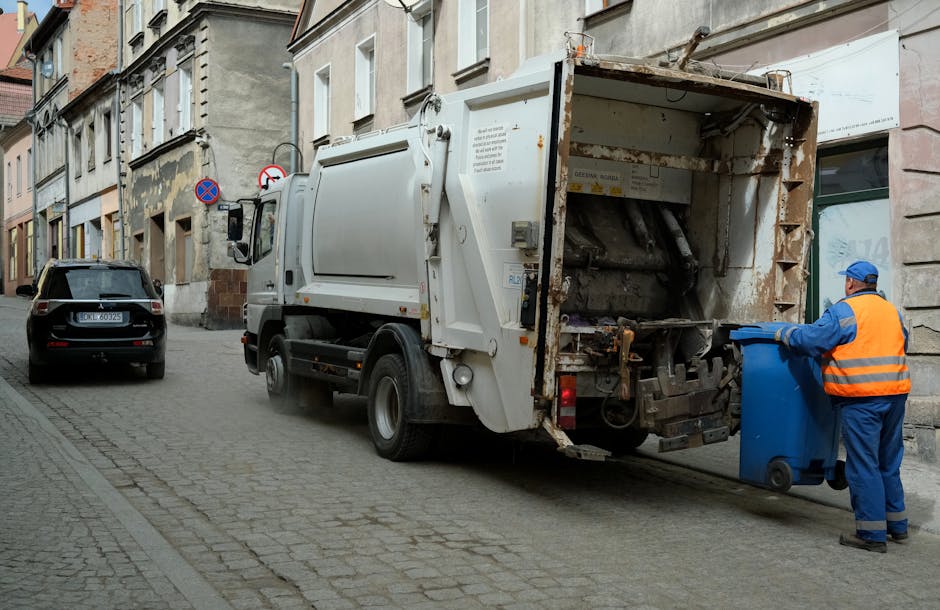
Late rubbish pickups in Slough estates are never just an inconvenience. By the time bags are spilling into walkways, bins are overflowing, and complaints start building, the real cost has usually gone well beyond the missed collection itself. There is the smell, the mess, the extra time spent chasing a fix, and the awkward strain it puts on residents, landlords, and estate managers. And, to be fair, it often snowballs faster than people expect.
This guide breaks down the real cost of late rubbish pickups in Slough estates in plain English: what drives the cost, where the hidden expenses show up, how to respond properly, and which practical steps reduce the damage. If you manage a block, live on an estate, or oversee communal waste, this is the kind of detail that helps you make better decisions instead of just firefighting.
When rubbish hangs around too long, you feel it twice. First in the bins, then in the budget.
Why Real cost of late rubbish pickups in Slough estates Matters
The obvious cost of a delayed rubbish pickup is the service delay itself. But on estates, the real price is usually wider and messier. Shared bin stores become unpleasant quickly. Residents stop separating waste properly. Fly-tipping risk rises. Pests get curious. And the estate starts looking neglected, which has a way of affecting everything from resident satisfaction to how problems are reported in the future.
In Slough, that matters because many estates rely on tightly timed routines. One missed pickup can create a chain reaction: bins overfill, refuse bags are left beside chutes, lift lobbies smell, and a small issue becomes a complaint thread that no one enjoys reading on a Monday morning. The cost is not only financial. It is social, operational, and reputational too.
There is also the management side. Staff time gets pulled away from planned work to deal with a waste issue. That might mean chasing contractors, arranging temporary clearance, contacting residents, or paying for an urgent removal. The bigger the estate, the quicker these small interruptions multiply. It sounds dull, but it is one of those areas where dull problems become expensive problems.
If the waste in question includes bulky items, old furniture, or mixed junk from storage areas, the cost can climb further. In those cases, a dedicated service such as waste removal or a more specific service like flat clearance can be more practical than waiting for a routine collection to catch up.
The real cost is rarely one invoice. It is the invoice, the complaints, the extra labour, the follow-up, and the tiny bits of friction that add up over a week or two.
How Real cost of late rubbish pickups in Slough estates Works
Late rubbish pickups create cost in a few layers. The first layer is direct: if a contractor misses a collection or arrives too late for the estate's needs, someone has to fix the backlog. That may mean an extra visit, a call-out, or a one-off clearance.
The second layer is operational. Estate teams spend time handling the consequences rather than doing their actual work. A caretaker dealing with torn bags in a bin store is not doing another job. A housing officer responding to repeated resident reports is not moving other tasks forward. Small admin drag, really, but it has a price.
The third layer is environmental and physical. Overflowing rubbish attracts birds, rodents, and moisture damage. On wet days, you can almost hear the paper and cardboard collapsing under foot traffic. That sort of condition can spread quickly in a communal area, especially where waste is left near entrances or service roads.
The fourth layer is behavioural. Once residents see a full bin area, some will stack bags beside the bins, assuming there is no point doing anything else. Then others copy it. That is how a one-day delay becomes a week-long mess. Not because people are careless, necessarily, but because shared spaces are contagious in a practical sense.
For estates with repeated issues, a planned approach often works better than ad hoc patching. A scheduled clearance, some targeted communication, and a clear route for bulky or awkward items can prevent the same mess from returning. If the issue stems from furniture, old appliances, or awkward household items, a service like furniture disposal can help stop items lingering in communal areas.
Truth be told, late pickups are less about the clock and more about control. Once control slips, costs follow.
Key Benefits and Practical Advantages
Fast rubbish pickup and well-managed clearance are not glamorous, but the benefits are very real. On a good estate, waste disappears before it creates friction. That means cleaner shared areas, fewer complaints, and less time spent on repeat problems.
- Cleaner communal areas: bin stores, corridors, and external spaces stay usable.
- Lower complaint volume: residents are less likely to chase the same issue over and over.
- Better presentation: the estate feels cared for, which matters more than people sometimes admit.
- Reduced pest risk: less loose waste means fewer attractants for vermin and birds.
- Lower emergency spend: fewer urgent call-outs and fewer last-minute clearances.
- Improved resident trust: steady waste management signals that the site is being looked after properly.
There is also a less obvious benefit: predictable routines calm people down. When residents know collections happen on time and problem waste is handled quickly, they stop over-reporting every small issue. That frees up staff time. Nice and simple, which is rare enough these days.
If your estate has a mix of household waste, garden cuttings, or one-off bulky items, it can help to separate tasks. For example, a regular communal waste issue may need standard waste removal, while seasonal cutbacks or outdoor clutter may fit a garden clearance visit better. Matching the job to the service reduces waste, time, and confusion.
Who This Is For and When It Makes Sense
This topic matters to a few different groups, and each group feels the pain a bit differently.
- Estate managers who need reliable communal waste routines.
- Landlords and housing providers dealing with repeated tenant complaints or unmanaged shared bin stores.
- Residents' associations trying to keep shared spaces tidy without overcomplicating the process.
- Property managers balancing waste costs against wider site maintenance budgets.
- Contractors and cleaning teams who need waste gone so they can keep spaces usable.
- Business premises on or near estates where mixed waste can quietly build up in service areas.
It makes sense to take action as soon as delayed pickups begin to affect access, hygiene, or resident confidence. If the issue is limited to a one-off missed collection, the fix may be small. If bags are building up regularly, or residents are using the wrong bins, you need a more structured approach.
For flats and shared blocks, a service such as flat clearance can be useful when the problem is not just general rubbish but excess items from a unit that are ending up in communal areas. For larger clear-outs, the broader home clearance or house clearance pages may be more relevant depending on the source of the waste.
A small note here: not every waste problem needs a big intervention. But ignoring a small one is, frankly, how bigger bills are born.
Step-by-Step Guidance
If you are dealing with late rubbish pickups on a Slough estate, a calm step-by-step approach works better than a flurry of calls. The goal is to stop the cost from spreading.
- Identify the exact problem. Is it a missed collection, repeated lateness, illegal dumping, bulky waste, or a poor bin layout? The fix changes depending on the cause.
- Document what is happening. Note the date, time, affected area, and whether the issue is recurring. A quick photo can help too. Nothing fancy.
- Check if the waste type needs special handling. Furniture, builders' debris, garden waste, or office items may need separate treatment rather than a standard pickup.
- Prioritise safety. If waste blocks access, creates slipping hazards, or attracts pests, treat it as urgent.
- Arrange the most suitable clearance. For mixed estate waste, a general service may be enough. For heavier or unusual loads, specialist support like builders waste clearance, office clearance, or garage clearance may be a better fit.
- Communicate with residents. Short, clear updates work best. Explain what is happening, when the area will be cleared, and what residents should avoid doing in the meantime.
- Review the root cause. If the same issue keeps happening, change the system rather than repeating the same fix.
A lot of estates get stuck at step one and never move on. Someone rings, someone apologises, the bags remain, and the cycle continues. Better to be a bit clinical about it. Solve the cause, not just the symptom.
Expert Tips for Better Results
After enough site visits, you notice the same patterns. The best waste systems are not the most complicated ones. They are the most consistent ones.
- Use the right container size. If bin capacity is always too low, delays become inevitable.
- Keep clear access. A collection can be late for reasons that are actually access problems: parked cars, locked gates, cluttered routes, or poor signage.
- Separate bulk from daily waste. A single sofa or mattress can clog a small bin store fast.
- Set a visible escalation route. Residents and staff should know who to tell when waste is not collected on time.
- Use seasonal planning. Bin pressure often rises around moving periods, refurbishments, and before holidays. Funny how that happens every year, isn't it?
- Check for repeat offenders gently. Some residents simply do not know the rules. Others know and ignore them. The response should be firm, but not theatrical.
In our experience, a short estate-wide reminder on waste placement can save more money than another emergency collection. The tone matters. People respond better to practical guidance than to a wall of complaints.
If the waste problem is tied to furniture left by outgoing tenants or relocation work, you may want to steer the job toward furniture clearance rather than leaving pieces to gather in communal corridors. That one choice can cut the mess in half.
Common Mistakes to Avoid
Late rubbish pickups tend to trigger rushed decisions, and rushed decisions are where costs quietly multiply.
- Waiting too long to escalate. A "we'll see tomorrow" approach can turn into a larger clean-up bill.
- Using the wrong service. Not every rubbish issue is standard refuse. Using the wrong clearance method wastes time and money.
- Ignoring access barriers. If the crew cannot reach the bins, the schedule is already broken.
- Overlooking communication. Residents need to know what is happening, otherwise they make their own arrangements, which usually means more bags.
- Focusing only on appearance. A neat bin store is useful, but if the cause is ongoing overflow, the surface tidy-up is just lipstick on the problem.
- Letting bulky waste sit. One armchair left near a bin store often becomes the magnet for everyone else's unwanted stuff.
There is also a tempting mistake of thinking every delay can be solved by a stronger complaint. Sometimes yes. Often no. Sometimes the system simply needs redesigning, which is less exciting but far more effective.
Tools, Resources and Recommendations
You do not need a complex toolkit to manage waste better on an estate. What you do need is a simple, repeatable process and the right service path.
- Incident log: record date, area, type of waste, and what action was taken.
- Photo record: useful for showing how quickly a problem develops.
- Resident notice template: a short message for bin-store changes or temporary delays.
- Site access checklist: helpful before scheduled collections.
- Seasonal review: a quick look at waste pressure around busy times.
For people wanting a clearer understanding of service options and practical pricing, the pricing and quotes page can help you compare the likely shape of a job before anything is booked. If you are choosing a provider, it is also sensible to read about us and look at insurance and safety so you know how the work is handled.
If sustainability matters to your estate, and it usually should, the recycling and sustainability page is worth a look. Waste should be removed efficiently, yes, but it should also be dealt with responsibly where possible.
Law, Compliance, Standards and Best Practice
Waste management on estates is not just a practical issue; it also touches on duty of care, safety, and proper handling. The exact obligations depend on the setting and the type of waste involved, so this section is intentionally careful.
In normal UK practice, property managers and waste holders are expected to make sensible arrangements for the collection, storage, and transfer of waste. That means avoiding unsafe piling, reducing contamination where possible, and making sure any contractor used is appropriate for the job. If the waste includes mixed items, sharp edges, or potentially hazardous material, the bar goes up again.
Best practice usually means:
- keeping communal waste areas accessible and tidy;
- not overfilling bins beyond safe use;
- separating bulky items from daily waste streams;
- using a provider that can handle the waste type properly;
- keeping records of recurring problems and the actions taken.
On safety, simple things matter. Loose rubbish can block exits, create trip hazards, and make cleaning harder. That is why a good estate waste routine is part cleanliness, part risk management. If you are dealing with a site that has mixed occupancy or more complex waste streams, a structured business waste removal approach may be more suitable than treating everything as standard household rubbish.
One more thing: if you have a complaints process already, use it. A fair, traceable process is boring in the best possible way. It keeps everyone aligned.
Options, Methods, or Comparison Table
There are usually three broad ways to deal with late rubbish pickups on estates. The right choice depends on how frequent the problem is, what kind of waste is involved, and how quickly you need the site back under control.
| Option | Best for | Strengths | Limitations |
|---|---|---|---|
| Wait for the next routine pickup | One-off minor delays | No extra booking, simple if the backlog is small | Risk of overflow, complaints, and worsening access issues |
| Arrange a targeted clearance | Specific problem areas, bulky items, or repeated bin-store issues | Faster recovery, tailored to the waste type | May need more coordination and a clearer brief |
| Redesign the waste routine | Recurring estate-wide delays or chronic overflow | Addresses root causes, reduces repeated cost | Takes time to review, communicate, and implement |
For many estates, the best answer is a mix. Deal with today's mess, then adjust the system so tomorrow's mess never starts. That sounds obvious, I know, but obvious is often where the savings live.
Case Study or Real-World Example
Here is a realistic estate scenario. A block in Slough has a shared bin store that usually copes well enough, but after a missed Friday pickup, bags start stacking up. By Sunday evening, some are split open, cardboard is damp from the rain, and residents are leaving bags beside the entrance rather than inside the store because there is no room left. By Monday morning, there are complaints, a smell, and a caretaker who has already spent part of the day trying to tidy a problem that keeps returning.
The immediate fix is obvious: clear the waste. But the better move is to ask why it happened. Was the scheduled collection missed? Was the access blocked? Were there too many bags for the capacity provided? Did bulky items get dumped beside the bins? If you only remove the waste and do nothing else, the same pattern can return by next weekend.
In a case like this, managers often find that the most efficient response is a quick clearance paired with a small process change. For example, a repeated source of oversized items might be better handled through a specific service like loft clearance if waste is coming down from storage spaces, or garage clearance if the estate has a shared storage area that keeps turning into a dumping ground.
The lesson is fairly simple: when waste sits too long, the cost is never just the bag on the floor. It is the extra time, the extra lifting, the resident frustration, and the awkward feeling that everyone is waiting on everyone else. You can almost hear the sighs, honestly.
Practical Checklist
Use this before the issue gets expensive.
- Confirm what type of waste is building up.
- Check whether access to the collection point is clear.
- Log the date and time of the missed or late pickup.
- Take a few photos for reference.
- Decide whether standard collection or specialist clearance is needed.
- Remove bulky items from communal access routes quickly.
- Tell residents what is happening in plain English.
- Review whether bin capacity or collection timing needs changing.
- Keep a note of repeat problems so patterns do not get missed.
- Use the estate's complaints or escalation process if the issue persists.
If the issue involves a larger property move, end-of-tenancy clean-up, or mixed household contents, consider whether a broader service such as furniture clearance or home clearance is the more efficient route. Getting the right scope first usually saves time later.
Conclusion
The real cost of late rubbish pickups in Slough estates is not hard to understand once you break it down. You pay in time, cleanliness, resident trust, staff effort, and sometimes direct clearance fees. But the good news is that most of that cost is preventable. With the right mix of quick response, sensible planning, and the right type of clearance support, a recurring mess can become a manageable routine instead of an expensive headache.
Start with the cause, not just the overflow. That single shift usually saves more than it costs.
Get a free quote today and see how much you can save.
And if you are the person who has to deal with the mess at 8:15 on a wet Tuesday, fair enough. You deserve a system that works, not another problem on your desk.
Frequently Asked Questions
What is the real cost of late rubbish pickups in Slough estates?
It is the combination of direct clearance costs, staff time, resident complaints, hygiene issues, and the knock-on effects of waste sitting too long in shared areas.
Why do delayed collections become so expensive so quickly?
Because shared spaces escalate fast. One missed pickup can lead to overflow, access problems, extra labour, and a worse-looking estate, which often creates more calls and more work.
Are late rubbish pickups only a cleanliness issue?
No. They can also affect safety, pest control, resident satisfaction, property presentation, and the amount of time staff spend on follow-up work.
Should an estate wait for the next scheduled collection?
Only if the backlog is small and safe to leave. If rubbish is blocking access, attracting pests, or spreading into communal areas, a faster clearance is usually the better option.
What kind of waste is most likely to cause extra costs?
Bulky items, mixed waste, damaged bags, furniture, garden cuttings, and builder-style debris tend to create the biggest headaches because they take more space and are harder to manage.
How can estate managers reduce repeat rubbish problems?
They can improve bin access, match container size to demand, separate bulky waste from regular waste, keep incident records, and communicate clearly with residents.
Is specialist clearance better than standard rubbish pickup?
Sometimes, yes. If the waste is awkward, bulky, or recurring, specialist clearance is often quicker and less disruptive than waiting for routine service to catch up.
What should I do if residents keep leaving rubbish beside the bins?
First check whether the bins are full or access is poor. Then issue a clear reminder, remove the backlog, and review whether the current setup is actually suitable for the estate.
Can bad waste management affect the reputation of an estate?
Absolutely. Residents notice it, visitors notice it, and once a site starts looking neglected, it can be harder to restore confidence than people expect.
What is the best first step if a pickup is late right now?
Document the issue, make sure the area is safe, identify the waste type, and decide whether a standard collection or a targeted clearance is needed.
How do I know which service page is relevant to my waste problem?
Use the simplest match: general rubbish for everyday waste, furniture-related items for bulky household pieces, office or builders waste for those specific streams, and flat or home clearance when the issue comes from a property rather than a bin store.
Is there a good way to compare options before booking?
Yes. Look at what type of waste you have, how quickly it needs removing, whether access is easy, and whether the problem is one-off or recurring. The right choice is usually the one that solves the root cause with the least disruption.