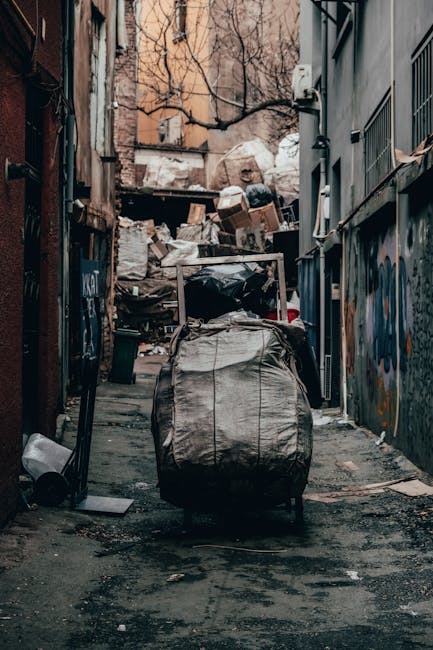
Britwell rubbish removal tips for narrow terrace properties
If you live in a narrow terrace in Britwell, rubbish removal can feel oddly complicated. The front path is tight, the hallway seems to shrink the moment you carry a bag through it, and the nearest skip bay is never quite where you want it. That is exactly why Britwell rubbish removal tips for narrow terrace properties matter: the right approach saves time, reduces mess, and helps you move bulky waste out without turning the place upside down.
This guide is written for real homes, real access problems, and real-life clutter. Whether you are clearing one room, getting rid of old furniture, or tackling a full house reset, you will find practical steps here that make the job smoother. A little planning goes a long way. Truth be told, in a narrow terrace, it can be the difference between a tidy clearance and a very frustrating afternoon.
Table of Contents
- Why it matters in Britwell
- How the process works
- Key benefits and practical advantages
- Who this is for and when it makes sense
- Step-by-step guidance
- Expert tips for better results
- Common mistakes to avoid
- Tools, resources and recommendations
- Law, compliance and best practice
- Options and comparison table
- Case study example
- Practical checklist
- Conclusion
- Frequently asked questions
Why Britwell rubbish removal tips for narrow terrace properties Matters
Narrow terraces create a very specific kind of clearance challenge. You may have limited hallway width, a small front garden or no front garden at all, tight side access, shared steps, on-street parking, and neighbours close enough to hear every scrape of a chair leg. That mix changes how rubbish should be handled from the start.
In Britwell, many households are dealing with older layouts, compact rooms, and practical access restrictions that do not suit a simple drag-and-dump approach. If you try to force a bulky item through a narrow passage, you risk damaging walls, doorframes, banisters, and the item itself. Not ideal. It can also create trip hazards, block shared access, and make the whole street feel chaotic for a few hours.
The better approach is to plan removal around the property, not against it. That means thinking about item size, routes, timing, parking, and disposal method before anything leaves the room. A good clearance is usually quiet, orderly, and surprisingly calm once it starts. You will notice the difference straight away.
There is also the trust side of it. A careful rubbish removal process reflects well on the household, especially where neighbours, landlords, or letting agents may be involved. If you are trying to clear a terrace without damage or fuss, the method matters as much as the speed.
How Britwell rubbish removal tips for narrow terrace properties Works
The process is simple in principle: sort the waste, measure the awkward items, choose the safest route out, and match the method to the access you actually have. In practice, a narrow terrace asks for more patience than a bigger property would.
Here is the general flow.
- Assess the waste: separate general rubbish, reusable items, furniture, and anything that may need special handling.
- Check access: measure doors, hallways, stair turns, and any narrow points before moving heavy objects.
- Clear the route: remove loose clutter, shoes, rugs, and fragile items from the path.
- Pick the removal method: use bagged waste, a two-person lift, staged loading, or a professional clearance approach.
- Load strategically: move smaller bags first if they free up space, then handle the bulky items once the route is open.
- Dispose properly: separate recyclable materials where possible and ensure the waste goes to an appropriate facility or licensed carrier.
That sounds obvious, but people often skip the first two steps and then wonder why the job turns into a tangle. A narrow terrace rewards preparation. Honestly, it can feel a bit like packing for a train journey in rush hour: everything works better when you plan the order.
If you are clearing larger household items, services such as furniture disposal or a more complete home clearance can be useful because they reduce the lifting and reduce the guesswork. For mixed loads, a broader waste removal approach is often the most practical route.
Key Benefits and Practical Advantages
Getting the process right brings more than convenience. It protects the property, keeps the street tidy, and saves you from doing the same job twice. That is the sort of thing people only appreciate after trying to carry a wardrobe through a hallway that was clearly not designed for it.
- Less damage to the home: careful planning helps avoid scraped plaster, chipped paint, and broken trim.
- Faster clearance: when the route is clear and items are sorted, the job moves much more smoothly.
- Safer handling: smaller lifts, better grip, and fewer awkward turns lower the risk of strain or drops.
- Better neighbour relations: a tidy, brief removal is much easier on everyone around you.
- Improved recycling: sorting items in advance makes reuse and recycling easier.
- Less stress: yes, that matters too. A cluttered terrace can make a whole day feel heavier than it should.
There is another quiet benefit: a well-run clearance often reveals extra space you forgot you had. A hallway suddenly feels wider. The front room feels usable again. Even the smell changes a bit once the old rubbish, damp cardboard, and broken furniture are gone. Small thing, but you feel it.
If you are comparing fuller property services, a dedicated house clearance can be useful when the job is more than just a few bags. For garages or side spaces that have become accidental storage zones, garage clearance may be the better fit.
Who This Is For and When It Makes Sense
This advice is for anyone in Britwell dealing with a compact terrace, especially if access is tight and the items are awkwardly sized. That includes homeowners, tenants, landlords, letting agents, and families managing a declutter after a move, renovation, or life change.
It makes sense when you have:
- bulky items that are difficult to angle through narrow doorways
- bags of mixed household waste building up in small indoor spaces
- a hallway, staircase, or landing that blocks easily
- limited parking or no convenient space for a skip
- a need to clear items quickly without disturbing neighbours too much
- furniture, boxes, or old appliances that need moving out safely
It is also relevant if you are managing a property with tenants moving in or out. In a terrace, leftover waste tends to collect in awkward corners. One loose chair, a few bags, and some packaging can make the whole place feel messy again, even if most of it is already sorted. Let's face it, clutter spreads fast in smaller homes.
If the job includes office items from a home workspace, an office clearance style approach can help you separate paperwork, electronics, and furniture more cleanly. If there is garden debris too, a separate garden clearance plan may be better than mixing everything together.
Step-by-Step Guidance
Below is a practical way to handle rubbish removal in a narrow terrace without making it harder than it needs to be.
1. Walk the route before lifting anything
Stand at the item and follow the path to the exit. Look for pinch points, low ceilings, stairs, radiators, corners, and anything sticking out. Even a door latch can matter when you are trying to move a sofa through a tight turn.
2. Measure the awkward items
Measure width, depth, and height for bulky pieces. If an item will not pass the tightest point upright, try turning it side-on before giving up. Sometimes the angle is the difference between success and a wall scuff. A tape measure is dull, yes, but very useful.
3. Separate the rubbish by type
Put bagged waste in one group, furniture in another, and anything recyclable or reusable in a separate pile. If you are dealing with mixed loads, sort out sharp objects, broken glass, and heavy items early so they do not surprise you later.
4. Create a clean path
Move shoes, lamps, small stools, and anything fragile away from the route. Lay down temporary protection if needed. A folded blanket or cardboard sheet can help protect floors in older terraces where the flooring may already be a bit tired.
5. Decide whether to dismantle items
Often, the fastest way out is not through a doorway in one piece. Remove legs from tables, take apart bed frames, or separate modular furniture into manageable sections. A quick dismantle now can save a lot of swearing later. Slight exaggeration, maybe, but only slight.
6. Carry in a controlled sequence
Take smaller bags first if they open up space. Then move the larger pieces while the route is clear. Keep one person guiding at corners if the item is bulky. Slow is often faster in a terrace because it avoids resets, dropped edges, and damaged paintwork.
7. Finish with a proper sweep-up
Check for dust, nails, screws, and bits of packaging that hide near skirting boards or under steps. A ten-minute tidy at the end makes the place feel properly finished, not just half-cleared.
If you want a more structured way to handle the whole process, services such as flat clearance can offer a useful model, especially where access is limited and the property is layered with stairs or compact rooms.
Expert Tips for Better Results
The following tips come from the sort of practical problems that show up in narrow terraces again and again. Nothing fancy. Just the things that save time and reduce hassle.
- Measure before you move. Guesswork causes damage. A quick measurement is boring, but it works.
- Take photos of the layout. If you are planning help from others, photos make the route much easier to explain.
- Use smaller bags than you think you need. Overfilled bags are awkward in tight hallways and harder to lift safely.
- Keep one clear staging point. A landing or front room corner can act as a temporary collection zone before loading.
- Work in daylight where possible. Early morning or late afternoon can be fine, but you will spot hazards more easily with decent light.
- Protect the corners. If a bulky item has to pivot around a turn, corners usually take the hit first.
- Think about the street, not just the house. If bags or items need to be moved past parked cars or narrow pavements, timing matters.
A small real-world observation: the hardest part is often not the biggest item. It is the awkward little collection of bags, broken chairs, and cardboard that seems harmless until it blocks the only clear route. Start there, and the rest feels easier.
If you need to move bulky household items in a controlled way, furniture clearance is often more efficient than trying to handle everything as loose waste. For lighter but still awkward items, furniture disposal can be a sensible option.
Common Mistakes to Avoid
Most problems in terrace clearances are avoidable. Usually, they come from rushing or from underestimating how tight the space really is.
- Leaving sorting until the last minute: mixed waste slows everything down and creates clutter at the exit.
- Forcing oversized items through: if a sofa will not turn, stop and re-check the plan rather than scraping the walls.
- Using bags that are too heavy: a full bag may seem efficient, but in a narrow stairwell it becomes a liability.
- Ignoring parking and loading space: even a short loading distance matters when you are carrying several trips.
- Forgetting about neighbours: early noise, blocked paths, and rubbish left outside too long can cause avoidable friction.
- Skipping waste checks: some items need special handling, and mixing them with general rubbish is a poor habit.
One thing people sometimes forget is that a terrace can create a bottleneck in both directions: in, and out. Once items start coming out, the house can feel like it is breathing better. Before that point, though, there is often a bit of a scrum. Keep the route calm and simple.
Tools, Resources and Recommendations
You do not need a van full of equipment to handle a narrow terrace clearance, but a few basic tools make life easier.
| Tool or resource | Why it helps | Best use case |
|---|---|---|
| Measuring tape | Checks doors, stairs, and awkward item sizes | Before moving bulky furniture |
| Strong refuse bags | Helps separate loose rubbish into manageable loads | General household waste and small clear-outs |
| Work gloves | Improves grip and protects hands from sharp edges | Mixed rubbish or dismantling items |
| Trolley or sack barrow | Reduces carrying strain where access allows | Heavier items with a reasonably clear path |
| Blankets or floor protection | Helps prevent scuffs on floors and edges | Hallways, landings, and stair turns |
| Professional clearance support | Removes the lifting burden and simplifies disposal | Full-property or bulky item clearances |
For larger clearances, you may want a service that can handle mixed loads and awkward access without making a fuss. A structured house clearance or a broader home clearance is often easier than trying to patch together several smaller solutions. If the job includes business waste from a home office or small premises, business waste removal may be the more suitable route.
If you are comparing providers, it is worth checking practical details such as insurance, safety processes, pricing clarity, and how waste is handled. Those things matter more than a flashy promise. There, slightly unglamorous, but true.
Law, Compliance, Standards, or Best Practice
For rubbish removal, the safest approach is to use responsible disposal methods and to make sure waste goes through the proper channels. In the UK, you should be careful with who handles your waste, especially if you are paying someone to take it away. It is sensible to ask how items will be transported, sorted, and disposed of, and whether the provider follows recognised safety and environmental practices.
There are a few common best-practice points worth keeping in mind:
- Do not leave waste in shared access routes: terraces often have limited space, and blocking paths creates avoidable safety issues.
- Keep sharp or hazardous items separate: broken glass, metal edges, and similar materials should be handled carefully.
- Protect the property during removal: a careful operator should reduce the risk of scratches, slips, and damage.
- Use insured and safety-conscious services where appropriate: this matters most with bulky, heavy, or awkward items.
- Check recycling and disposal practices: separating reusable and recyclable items is a practical sign of a well-run job.
If you are comparing providers, pages such as insurance and safety, health and safety policy, and recycling and sustainability can help you understand how a company approaches the job. That kind of detail is worth looking at. It tells you whether a clearance is being handled carefully or just hurried through.
Options, Methods, or Comparison Table
There is no single best way to clear rubbish from a narrow terrace. The right method depends on the amount of waste, the size of the items, and how tight the access really is.
| Method | Best for | Advantages | Limitations |
|---|---|---|---|
| Bagged DIY removal | Small to medium rubbish loads | Low cost, flexible timing, simple to organise | Hard work, more trips, not ideal for bulky items |
| Partial dismantling | Furniture and awkward household items | Improves access, reduces scraping, easier to carry | Needs tools and a bit of patience |
| Professional waste removal | Mixed loads or heavy rubbish | Fast, less lifting, cleaner process | Costs more than doing it yourself |
| Full property clearance | Large declutters, moves, or estate-style jobs | Best for complex or time-sensitive clearances | May be more than you need for a small job |
For a compact terrace, the choice often comes down to how much lifting you want to do and how much damage risk you are willing to accept. If the waste is mostly loose rubbish, a bagged approach can work. If there is bulky furniture or mixed clutter, a service built around builders waste clearance or loft clearance may better match the access and the load. It depends, really, on what is sitting there waiting to be moved.
Case Study or Real-World Example
Imagine a small Britwell terrace with a narrow hallway, a boxy front room, and a spare bedroom that has quietly become storage. There are two broken bedside cabinets, a sagging armchair, several bin bags of general waste, and a stack of old cardboard from a recent delivery spree. Nothing dramatic. Just enough to be awkward.
The first instinct is often to start carrying things out immediately. But in a property like this, the smoother route is different. First the hallway is cleared of shoes and loose clutter. Then the chair is measured and found to be too awkward in one piece, so the legs are removed. The cardboard is flattened and tied into smaller bundles. The bags are loaded out before the furniture, which creates more turning space near the front door.
By lunchtime, the room feels twice the size. No scuffs, no blocked passage, no drama. A neighbour might have noticed the van outside, but only because the whole thing was neat and brief. That is the sort of result people want: tidy, efficient, unremarkable in the best possible way.
For a more complete property reset, a combination of furniture clearance and waste removal can be a better fit than trying to handle each item separately. If the space includes a loft or overhead storage area, loft clearance may need to be included as well.
Practical Checklist
Use this checklist before you start. It keeps the job grounded and stops small things becoming big annoyances.
- Measure the widest furniture and the narrowest doorway.
- Check stairs, turns, and landing space for bottlenecks.
- Sort rubbish into bags, furniture, recyclables, and special items.
- Clear the main route from the room to the exit.
- Protect floors, corners, and bannisters where needed.
- Decide what should be dismantled before moving.
- Confirm parking or loading access outside the property.
- Keep heavy and sharp items separate from general waste.
- Use safe lifting techniques and avoid overfilled bags.
- Finish with a sweep-up and final visual check.
Key takeaway: In a narrow terrace, the clearance works best when you treat access like part of the job, not an afterthought. Measure first, sort early, and move in the right order. That simple discipline saves a lot of hassle.
Conclusion
Britwell rubbish removal tips for narrow terrace properties are really about making a tight space work with you instead of against you. A little planning, a sensible loading order, and a realistic view of access can turn a stressful clear-out into something steady and manageable.
If your terrace is small, that does not mean the job has to feel difficult. It just means the approach needs to be smarter. Sometimes that means dismantling a bulky chair. Sometimes it means choosing a clearer disposal method. And sometimes it means admitting that the cleverest move is to get help rather than wrestling the hallway for an hour.
Get a free quote today and see how much you can save.
However you tackle it, the goal is the same: a cleaner home, less clutter, and a space that feels a little easier to live in. That is a good feeling, and honestly, it never gets old.
Frequently Asked Questions
What is the best way to remove rubbish from a narrow terrace in Britwell?
The best way is usually to sort waste first, measure awkward items, and move everything in a planned order. Small bags, dismantled furniture, and a clear route through the house make the job much easier.
Can bulky furniture be removed through a narrow hallway?
Sometimes yes, but only if the item is measured carefully and turned at the right angle. If not, dismantling parts of the furniture is often safer than forcing it through.
Is it better to use a skip or a clearance service for a terrace property?
For narrow terraces, a clearance service is often more practical because it avoids the problem of limited space, loading access, and on-street placement. A skip can work, but access and permit considerations may make it less convenient.
How do I protect walls and floors during rubbish removal?
Clear the route, use floor protection where needed, and move items slowly around corners. Blankets, cardboard, or similar materials can help reduce scuffs on older terrace interiors.
What should I do with mixed rubbish and old furniture?
Separate them before moving anything. Mixed waste is harder to carry, harder to sort, and more likely to create a mess at the doorway. Furniture is usually best handled separately from bagged rubbish.
How long does a terrace rubbish removal usually take?
That depends on how much there is and how tight the access is. A small declutter may take little time, while a full house or furniture clearance can take much longer. Preparation makes the biggest difference.
Do I need to dismantle furniture before removal?
Not always, but it often helps in narrow properties. Taking off legs, removing doors, or breaking down frames can make awkward items pass through tight spaces more safely.
What if I do not have enough parking outside?
Plan the loading carefully and keep items ready inside until you have a clear route. Limited parking is common in terrace streets, so timing and staging matter more than usual.
Can rubbish removal be done without disturbing neighbours?
Yes, if it is handled neatly and at sensible times. Keep noise down, avoid blocking shared access, and move waste out in an organised way rather than leaving it scattered outside.
What kind of items are hardest to remove from a narrow terrace?
Large sofas, wardrobes, beds, heavy wardrobes, and awkwardly shaped armchairs tend to be the trickiest. Long, rigid items are usually harder than heavy bags because they catch on corners and banisters.
Is recycling important in a small house clearance?
Yes. Even in a compact job, separating recyclable materials and reusable items helps reduce waste and makes the clearance more responsible. It is a small step, but a worthwhile one.
When should I consider professional help instead of doing it myself?
If the waste is bulky, the route is tight, or you are worried about damage or strain, professional help is worth considering. It is especially sensible for full clearances, heavy furniture, or mixed loads that would otherwise take several trips.